
Personal moments, quiet lessons, and things that matter to me.
One Conversation can Change Everything…
July 2026
There are moments in life that stay with you long after they’ve happened.
Not because they were planned or particularly significant at the time, but because they quietly remind you why you do what you do.
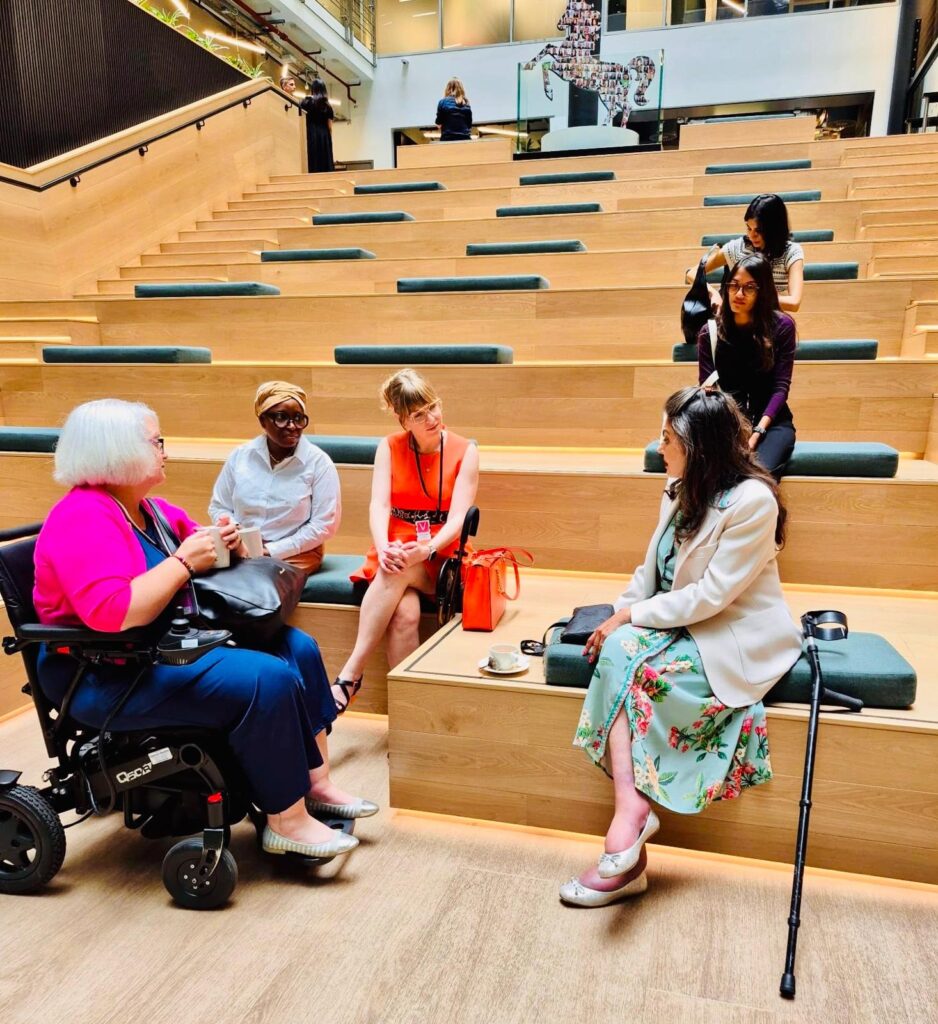
Following my attendance as a panellist at the Disability Finance Code for Entrepreneurship event, a lady came over to introduce herself. She told me that she was surprised to hear that I have Charcot-Marie-Tooth (CMT).
It’s a relatively uncommon neurological condition, and she hadn’t expected to meet someone openly talking about living with it while leading a business and speaking on stage.
Then she shared something I’ll never forget.
Her husband and teenage son both have CMT.
She told me she couldn’t wait to go home and tell them about my story. Not because my journey is extraordinary, but because she hoped it would show them that a disability doesn’t have to define what’s possible.
It’s easy to assume that when we share our experiences, they’re simply part of the conversation. We rarely see where those stories go next or whose perspective they might change.
That encounter reminded me that representation isn’t about recognition. It isn’t about being noticed or celebrated. It’s about possibility.
When people see someone with similar experiences pursuing their ambitions, leading organisations or contributing to their communities, it can gently challenge the limits they’ve placed on themselves.
I’ve never wanted my disability to define who I am. It is one part of my life, but it is not the whole story. Equally, I don’t want to hide it, because I know there may be someone quietly wondering whether their own circumstances will prevent them from achieving their goals.
If sharing my experiences helps even one person believe that a career, a business or a dream is still within reach, then every conversation is worthwhile.
This extends far beyond disability. We all carry experiences that have shaped us. Sometimes sharing them feels uncomfortable or vulnerable, but those stories have the power to encourage others in ways we may never fully appreciate.
As I reflected on that day, I realised something important. Success isn’t always measured by the audience in front of you, the title on your business card or the recognition you receive. Sometimes it’s measured by a single conversation and the hope it gives to someone you’ve never met before.
If my story gives even one person a little more confidence to believe in themselves or pursue something they once thought was out of reach, then every conversation is worth having.
If there’s one thing I’ve learned throughout my career, it’s this:
Never underestimate the impact of sharing your story.
One conversation. A few minutes. A lasting impact.
From Winner to Passing On the Baton – What the Stelios Awards Mean to Me One Year On
May 2026
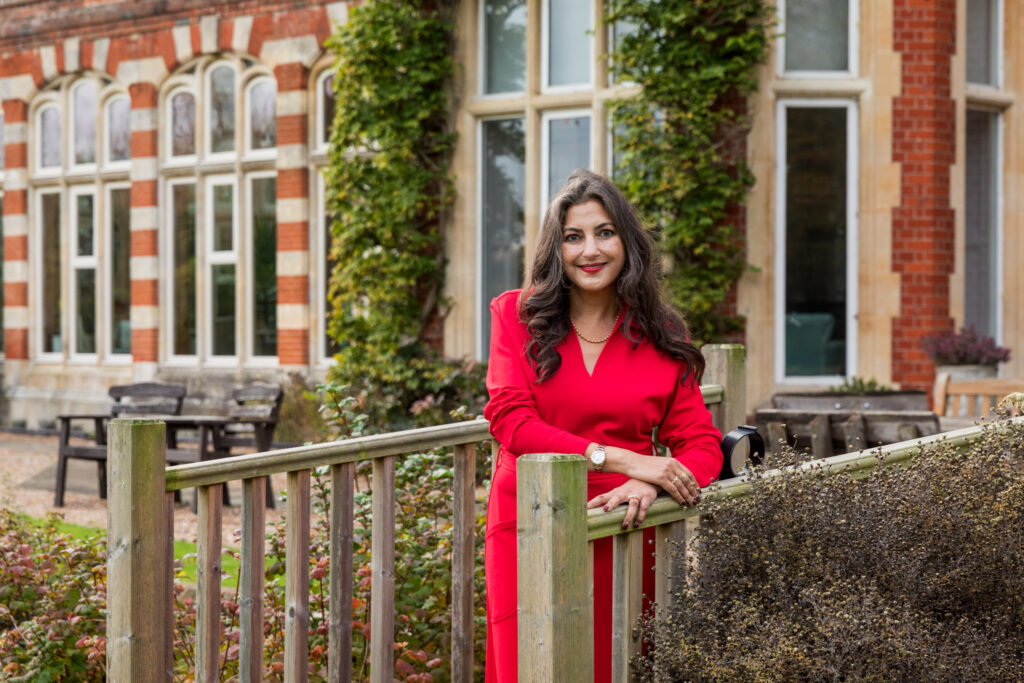
Winning the Stelios Disabled Entrepreneur Award last year surprised me more than I expected it to.
As entrepreneurs, we are often so focused on the next decision and the next challenge that we rarely stop to mark how far we have come. The award gave me that moment. It also gave me something I hadn’t anticipated: a platform, and with it, a responsibility.
Disabled entrepreneurs have a complicated relationship with visibility. We want our work recognised on its merits. We also know that when disabled leaders are seen, perceptions shift. It changes what people believe leadership is allowed to look like.
I chose to use that platform this year.
The year that followed has been one of the fullest of my life, in ways I could not have planned and certainly did not expect.
I have mentored twelve entrepreneurs and business owners some through the Digital Boost platform, learning as much from them as I hope I gave. I travelled to the United States to see what exceptional, well-funded care looks like on another continent and came home with a head full of ideas and relationships that will be enduring. Those lessons have been woven into the design of Meadow View, my new 70-bed care home, being developed alongside sector specialists and community partners to build something therapeutically different.
At Iden Manor Nursing Home, I introduced technology so that residents’ hearing loss is identified earlier and the right support can be put in place sooner and have rolled out a drop in service for the local community to benefit too. A quiet change with a significant impact on daily life.
I have sat at tables that matter: including conversations with KCC, KICA, our local MP, and HSBC amongst others on the realities of social care funding, and with the Muscular Dystrophy Society at their round table on disabled women’s health challenges. I have judged sector awards and been reminded, every time, of the passion and innovation running through this sector even when the conditions are hard. I contributed to the DFCE report on barriers to finance for disabled entrepreneurs and attended the first Deaf Expo in London.
And I have written. On disabled leadership, resilience in care, and what building something that matters actually looks like from the inside, published in sector journals and beyond.
Then there were the moments I simply did not see coming. A Silver Stevie Award for Women in Business. An invitation to The King’s Garden Party at Buckingham Palace. An invitation to Monaco. A social care event on a yacht, which is not a sentence I ever imagined writing!
What I know now is that the award was not an end point. It was an opening. “I lift as I climb” has always been more than a tagline. It describes how I actually want to operate: using whatever ground I have gained to make the path a little easier for the person behind me.
Returning this year to be part of the 2026 awards and meet the new feels significant. I know what that moment feels like from the other side. I know how much it means to have your work, your determination, and your journey seen and recognised.
To this year’s finalists: your difference is not a liability. It may be exactly what gives your work its strength. Every one of you will have kept going when it would have been simpler to stop. Enjoy the moment, and be open to what comes next.
What Sir Stelios has built goes well beyond a prize. The award creates a community of entrepreneurs who understand each other’s challenges and champion each other’s progress. But the ripple effect reaches further than that. Behind every winner is a team, a workforce, a group of people being cared for or served. The impact spreads through every business the award touches, into the lives of the people those businesses exist for. That is a legacy worth celebrating.
Winning the Stelios Award was a turning point for me, and I feel deeply privileged to be part of the wider Stelios family. I have no doubt it will be just as special for this year’s winners.
Walking Through Those Gates
May 2026
I did not expect this invitation. When it arrived, I had to read it twice.
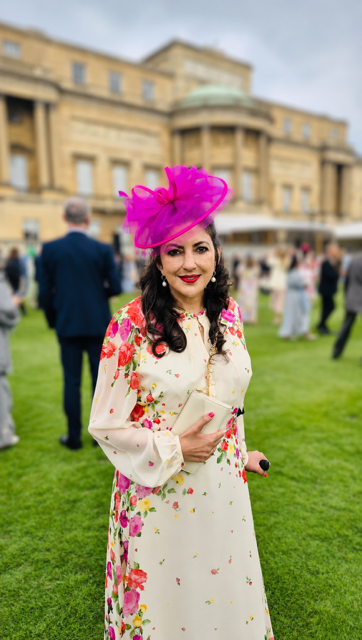
Walking through the gates of Buckingham Palace, what struck me first was the weight of history all around me. Centuries of it. In that context, you feel very small. But small and insignificant are not the same thing, and somewhere in that thought was something that mattered to me: I have made a mark. It may be a quiet one, but it is mine, and it spurs me on.
And then, alongside that, the people. Residents, families, and care teams who show up every day without recognition or fanfare. That is who I was thinking about as I walked those gardens. This felt like their moment as much as mine.
I lift as I climb. That has never felt more true than it did that afternoon.
What A Year 2025 Has Been!
December 2025
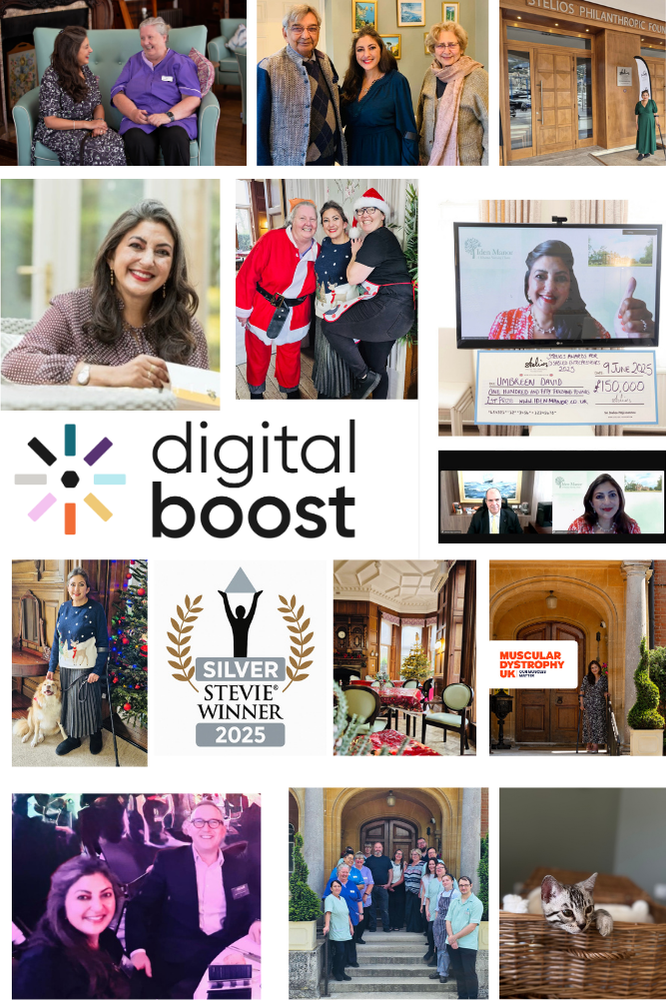
I’ve shared a few thoughts on 2025 hope you enjoy the read : Click here
Stories That Travel Further Than We Know
July 2025
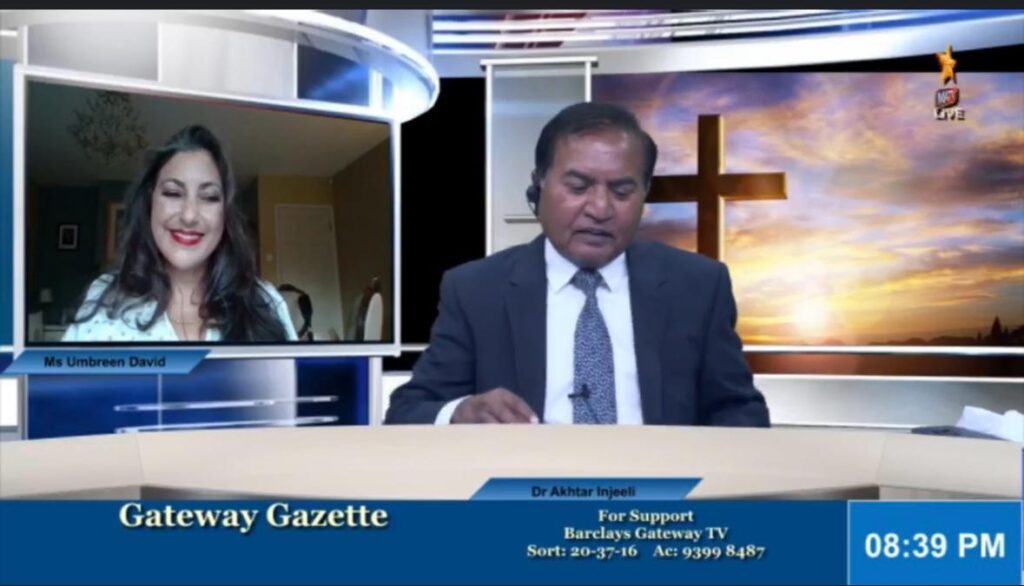
Following the publication of my article ‘A Path Made by Walking’ and the news of my Stelios Disabled Entrepreneur Award win, I was invited to speak on the Gateway Gazette Weekly News Show—a programme broadcast on Sky TV and watched by Christian communities across Pakistan, the UK, the US, Canada and Europe.
This invitation meant a great deal to me. Having grown up in this community, it felt special to return to it in a different way – not as a child listening in the background, but as a guest invited to speak. To share not just what I do, but why I do it with those who may feel underrepresented or are living with a disability.
The conversation gave space for the things that matter most to me: the part faith and upbringing has had on the values that guide my leadership, and the importance of care – not just in a professional sense, but in how I build, help, lead, and serve. I also spoke about my future plans for my company and planned project Meadow View and my ongoing work mentoring new entrepreneurs and the advice I would offer to any entrepreneurs who are finding the path difficult.
One of the things that stayed with me most from the experience was the reminder of just how powerful storytelling can be.
When someone shares their story, it gives others insight to consider their own story in a new way and the courage to share it. It creates connections and for those who might feel unseen or unheard be it in business, communities or in wider society – that can be quietly transformative.
I didn’t set out to become a public speaker or to tell my story in public. But I’ve come to realise that if my experiences can help even one person feel less alone, or more able to take their next step, then sharing them is part of my work.
I am grateful to the Gateway Gazette team for giving me the opportunity to share my story with their audience and sincerely hope that in some small way this interview has inspired others.
A Story I Didn’t Expect To Tell
August 2025
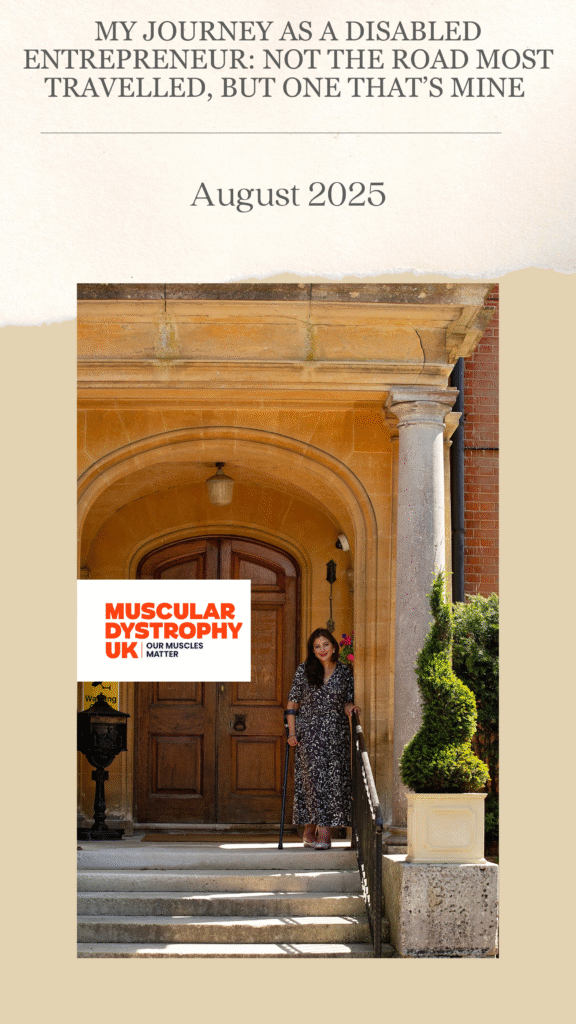
When Muscular Dystrophy UK asked if I’d be open to sharing part of my story, I didn’t jump at the chance.
I’m naturally private, and a little shy if I’m honest. But I felt this was a story that should be shared, not for show or publicity, but because it belongs to a community I’m part of. Not by design or ambition, but through a mix of fate, genetics, circumstance. I didn’t choose to live with a disability, but these are the cards I was dealt, and I’ve done my best to work with them.
This isn’t a list of achievements or dramatic milestones. It’s a slow and sometimes complicated story that’s taken shape over my childhood and adult life: education setbacks, early career choices, wonderful (and unexpected) motherhood, gradual physical decline, business growth, and long stretches of quietly figuring things out. None of it has been straightforward. But all of it has shaped how I lead, how I connect, and how I live.
There have been difficult chapters, yes, but also moments of light. My son brings more meaning than I can easily put into words. My cats, and Ossie our dog, bring comfort and laughter, especially in the moments I’ve needed it most. I’ve found joy in surprising places, and deep connection with people who’ve walked parts of this road with me.
I do feel vulnerable sharing this. Not because I’m ashamed of any of it, but because I know this part of me doesn’t tell the full story. It’s one thread in the broader tapestry of who I am.
I also know how isolating it can feel when you don’t see lives like yours reflected very often. When the stories that get told don’t feel quite like yours. And if that’s something you’ve experienced, if you’re moving through life carrying something quietly difficult, or trying to build something in circumstances that don’t make it easy – maybe reading this offers a kind of recognition or reassurance. A quiet reminder that you are not the only one working it out as you go.
That’s the real reason I said yes. And if something in my story spoke to you, then I’m glad I did.
To read the full article, click here.
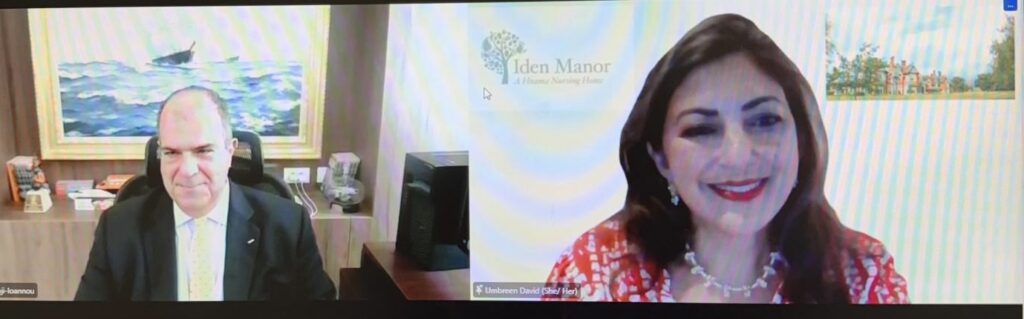
Becoming the Unexpected Winner.
May 2025
It started with a chance scroll through LinkedIn on a grey, miserable weekend.
I wasn’t looking for an award and I’d never applied for one. There it was a post about the Stelios Award and something in me paused and drew me to it so on a whim I decided to apply.I didn’t think I’d qualify, I was sure there’d be stronger candidates – more dynamic, more deserving, more polished more worthy, but on a bit of a whim, I decided to apply. A few days after the deadline, an email landed in my inbox. I’d been shortlisted from 125 applicants down to just 8.
The shock was real. So was the anxiety. Could I actually go further? Why had they picked me? What did they see? The preparation began. I had no idea what to expect from the Stelios team.
Would they see past the nerves? Would I find the words? Could I explain what this journey has been – not just in business, but in life? And then came the interview. To my surprise and relief, it was warm, encouraging. empathetic, but searching.
They gave me space to tell my story – the whole story. The challenges, the grit, the things that nearly broke me, and the things that fired my passion to succeed namely my wonderful residents and incredible staff team. When it ended, I thought, Well, that was something – what an amazing experience. A privilege just to be heard and be considered. That, I assumed, would be the end of it.
Incredulously another email arrived. – I’d made it to the final stage. I was going to meet Sir Stelios himself. Elation gave way to disbelief and the self-doubt crept in quickly.
What could I possibly say that would stand out to someone like him? He’s a colossus in business—global, successful, ambitious, driven, philanthropic, sharp, impactful.
Yet here I was – just Umbreen. The nerves nearly consumed me. Sleepless nights. Imposter syndrome whispering every time I rehearsed my story.
But the day came. And he was…
He was warm, inquisitive, direct – with a gentle humour that put me at ease.
He listened closely, asked sharp questions about the business, and took real interest in my journey. And then – he called my achievements impressive. My heart sang at his word…..
He saw what I’d built, what I’d navigated and what I am leading. He told me I’d be one of the three winners – though the order hadn’t yet been decided.
It was surreal and a memory that will endure with me always. This wasn’t just recognition – it was Sir Stelios’s trust in me. He was aligning his name, his platform, his reputation – with mine, backing my work and believing in what I could achieve next.
I see this award as a challenge, quiet pact to keep going, to grow and to not let him down.
So here it is:
First Place, Stelios Award for Disabled Entrepreneurs 2025.
It still feels a little surreal.
But it also feels humbling and quietly encouraging.
These events for me are a powerful reminder that stepping outside your comfort zone –
however small the step – can lead to the most unexpected and extraordinary moments of positivity and growth.